Connectedkey Concrete Is Proud To Serve the New York area
New York Kearny Old Westbury Linden Newark Ridgefield Paterson Garden City Jersey City Fair Lawn Alpine Secaucus New Rochelle Paramus Elizabeth Clifton Yonkers Carlstadt Sayreville Englewood
Concrete driveways & patios in New York, NY
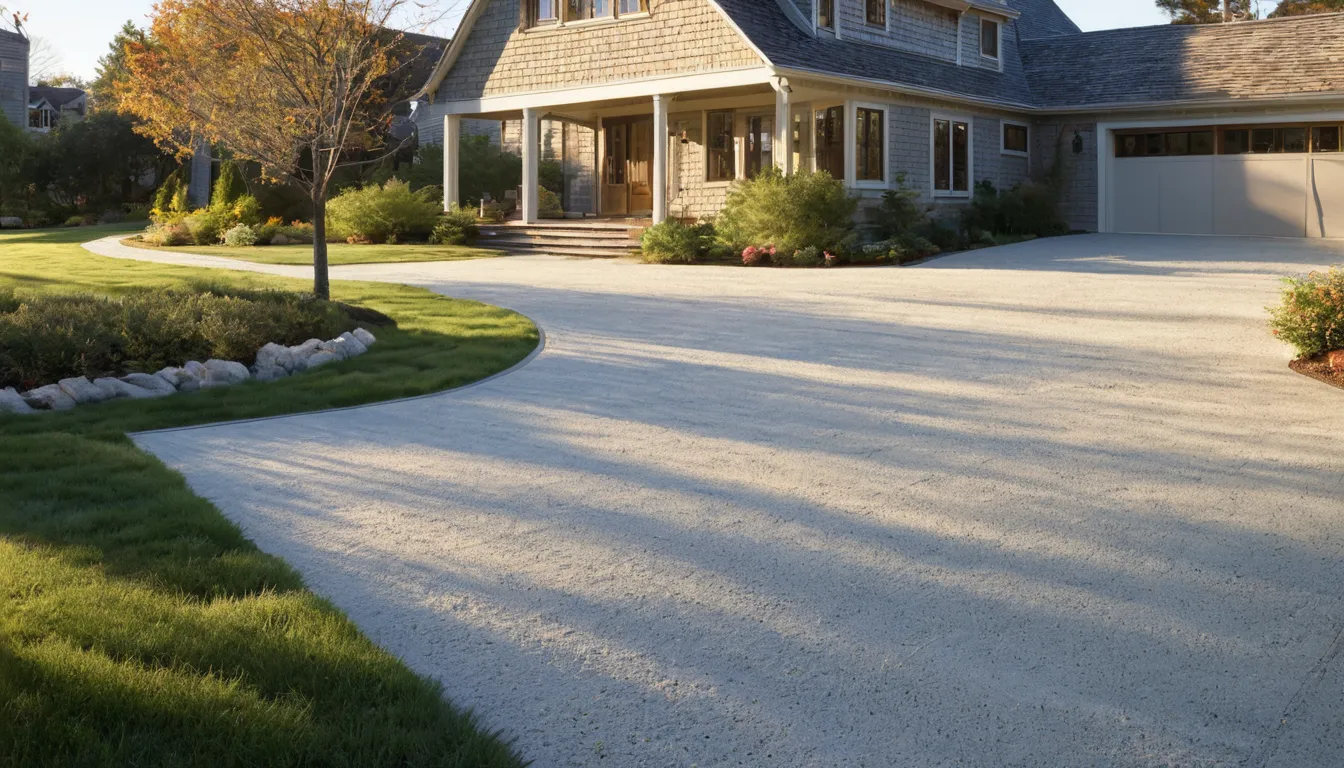
Say your old slab is cracked, stained or just tired. Connectedkey Concrete connects homeowners in New York, NY with independent local providers who can talk through options and give a written quote.
New York Kearny Old Westbury Linden Newark Ridgefield Paterson Garden City Jersey City Fair Lawn Alpine Secaucus New Rochelle Paramus Elizabeth Clifton Yonkers Carlstadt Sayreville Englewood
Say you pull into the driveway after a long, cold winter. The edge of the slab is chipped. A crack runs toward the garage. A low spot holds water after every rain. You patch it once more, and you wonder if it is time for something new.
Connectedkey Concrete is a referral service built for that moment. It connects homeowners in New York, NY and the New York area with independent local providers who pour new concrete driveways, patios and stamped surfaces. Connectedkey Concrete does not do the work itself. The provider you speak with does.
Maybe you are still sorting out what you need. That is fine. A new driveway, a wider parking pad, or a patio off the back door all start the same way. You describe the project. A local provider looks at the site, talks through the options, and puts a written quote in your hands.
A good plan also looks past pour day. A slab that is shaped, jointed and sealed with care tends to handle frost, road salt and spring melt better. Ask about that early.
Request a callback to check provider availability, or send a few details and request an estimate.
You tell Connectedkey Concrete what you want to build. The request goes to an independent provider in the network who handles concrete flatwork in your part of the New York area. That provider contacts you, visits the site, and explains the next steps.
Connectedkey Concrete is a referral service. It is not a contractor. It does not pour, cut, stamp or seal anything. Each provider runs its own business, sets its own schedule and writes its own quote. Prices and timing differ from one provider to the next, so it helps to compare.
Say a neighbor's new slab cracked in its second winter. Often the cause was not the concrete itself. It was soft ground underneath, water with nowhere to go, or joints placed in the wrong spots. Those choices are made before anyone mixes a batch.
That is why the first conversation with a provider matters. A few good questions can save trouble later:
Providers in this network focus on new concrete work: driveways, patios, walkways and stamped finishes. If you are weighing concrete driveway repair against starting fresh, a provider can tell you which makes more sense for your slab. This site is not set up for emergency or warranty calls.
Say your home is an older Cape with a stone foundation and a narrow driveway that slopes toward the garage. Or a multi-family house with a shared drive and a full basement below. Homes like these are common across New York and the New York area, and each one asks something different from a concrete slab.
The weather matters too. Winters are cold and snowy. Ice forms and melts again and again. Spring snowmelt sends water across the ground, and coastal storms can soak the soil. Providers in the network know how these conditions treat concrete flatwork, and they plan for them.
Near older foundations, drainage deserves extra thought. A slab that pitches toward the house can push water against block or stone walls. If something looks wrong at the foundation itself, foundation repair experts are a separate trade, and a driveway provider may suggest a specialist look first.
Tell Connectedkey Concrete where the project is, and the request goes to a provider who serves that part of the New York area.
Request a callback to ask which providers cover your street.
Say the pour went well and the surface looks perfect. Stay off it for the first few days. Keep heavy loads away for about a month, or whatever your provider advises. A little patience early pays off for years.
Sealer works like a raincoat for concrete. It slows water from soaking in. Ask your provider when to apply the first coat and how often to renew it. Stamped surfaces often benefit most, since sealer also keeps the color looking rich.
De-icing salts can flake the surface, especially on young concrete. Use a plastic shovel, clear snow early, and ask which products are gentler. Sand adds grip without the bite.
Walk the slab after a storm. Puddles, runoff pointing at the house, or soggy soil along an edge are early signs of trouble. Clear gutters, extend downspouts, and keep soil from piling up against the concrete.
Hairline cracks are common. Joints are cut so concrete can crack where you want it to. Seal wider ones early, before frost pries them open. If a section sinks or heaves, ask a provider whether concrete driveway repair or replacement fits better.
Stamped concrete patios look great, and light upkeep keeps the pattern crisp. Sweep often, rinse with mild soap, avoid harsh chemicals, and reseal on the schedule your provider suggests.
If cracks show up on a basement wall or doors begin to stick, the slab may not be the cause. Foundation repair experts handle that kind of work, and it is a different job from concrete flatwork. Sort it out before pouring new concrete beside the house.
Each spring, look over joints, edges, sealer and drainage. Take a few photos and jot a note. Those small habits make it easier to spot change and easier to talk with a provider later.
Ready to talk about your project? Send a few details about the driveway or patio you have in mind. Include the rough size, the finish you like and any trouble spots, such as standing water. A provider in the network can follow up with next steps. There is no obligation to hire anyone.
Prefer to talk it through? Request a callback to check provider availability, or write to contact@connectedkey.living.
Tell us about your driveway or patio idea. Send a few details and a local provider in the network can follow up with next steps and a written quote.
Typical U.S. prices run roughly $6 to $15 per square foot, but size, thickness, base work, finish and site access change the total. Stamped or colored work usually costs more. Ask for a written quote.
Many providers suggest keeping cars off for about a week and heavy vehicles off for around a month. Weather and the concrete mix matter, so follow the timeline your provider gives you in writing.
Sometimes, but cold makes the work harder. Providers may use warmed mixes, blankets or added steps, or they may wait for milder days. Ask how a provider protects the pour if temperatures drop near the date.
Stamped concrete is poured, then pressed with patterns that resemble stone, brick or wood. It suits patios well. Stamped concrete patios usually need regular sealing to protect color, so ask a provider about upkeep.
No. Connectedkey Concrete is a referral service. It connects you with independent local providers who do the work. Each provider sets its own schedule and prices, and you decide whether to hire one after reviewing the quote.
Providers can talk through drainage, joints and sealing, so your new slab is easier to protect in the years after it is poured.
Each provider is independent and knows the frost, snowmelt and older homes common in the New York area, so advice fits real conditions near you.
Compare plain concrete, colored finishes and stamped patterns. A provider explains what each choice means for upkeep and typical cost, and gives you a written quote to review.
Requesting an estimate carries no obligation. Take your time, ask questions, and decide whether a provider is the right fit.
Three kinds of projects come up most often. Pick the one closest to yours, read the details, and then ask a local provider what fits your yard, your budget and your climate.
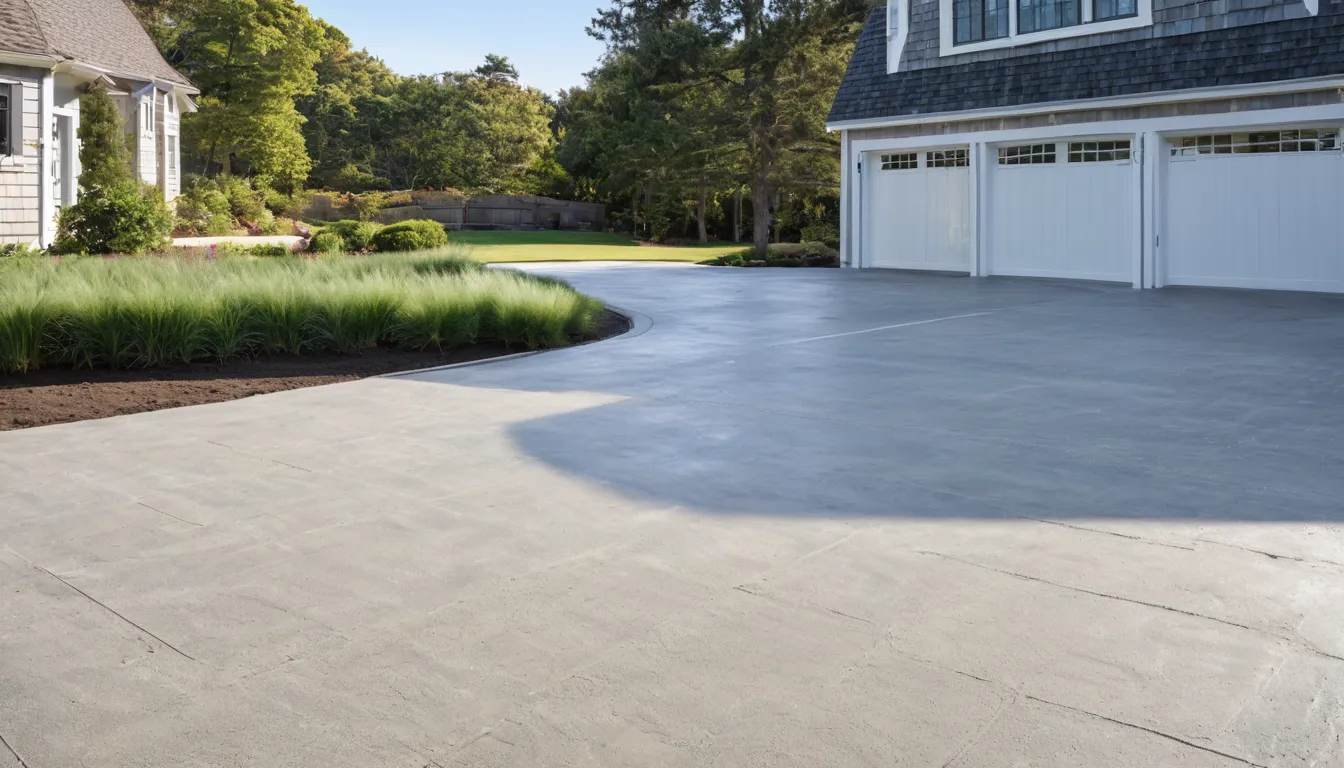
Learn your options for a new concrete driveway, then connect with independent local providers who do the work.
Picture an even, well-drained slab behind your home, then learn your options before any work begins.
Stamped concrete gives you the look of stone or brick, and a little planning helps it last.
Tell us about your driveway or patio idea. Send a few details and a local provider in the network can follow up with next steps and a written quote.
No obligation